Indonesian Matcha Rising: Opportunity in a Global Shortage
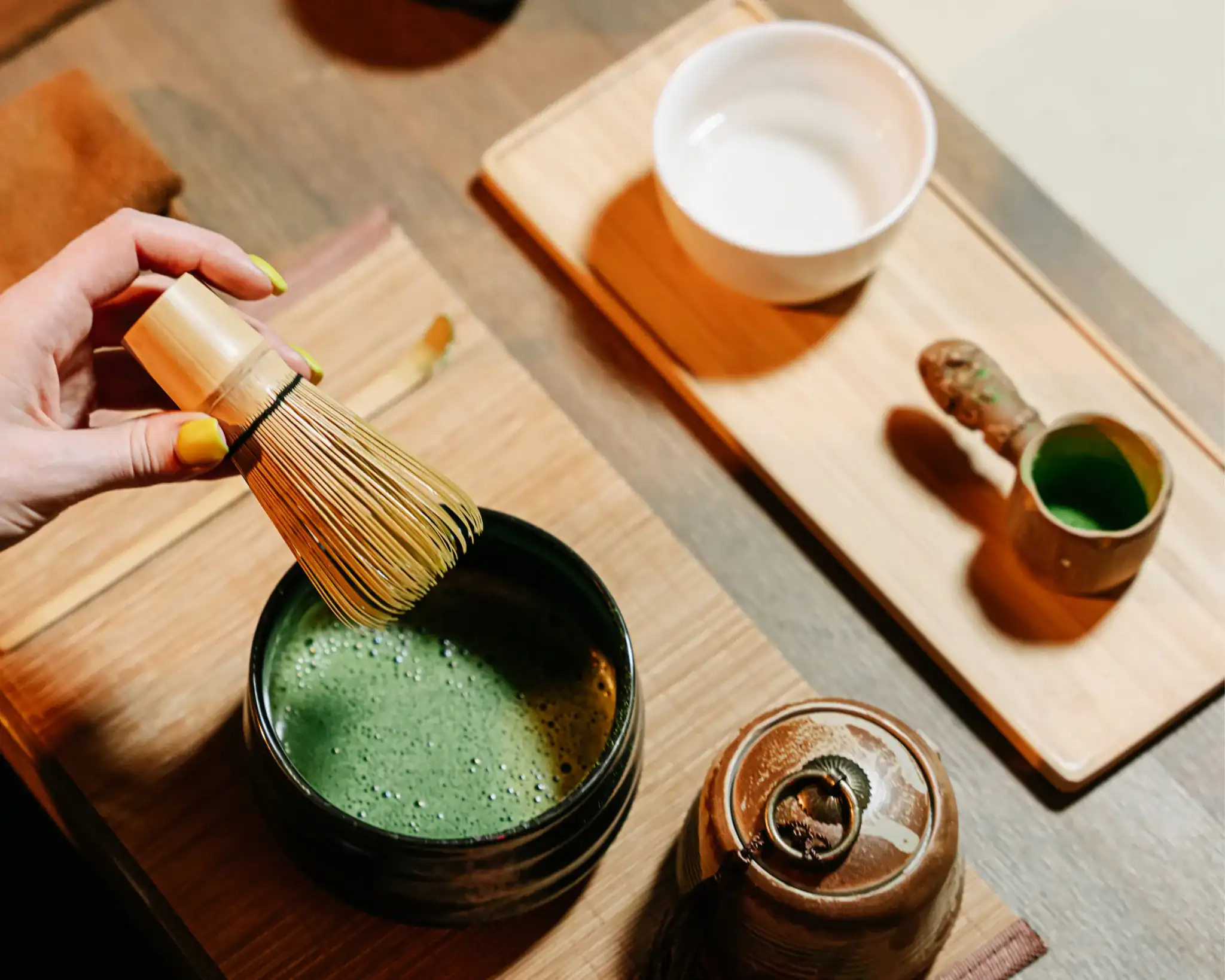
The 2025 global matcha shortage—driven by extreme weather, aging farms, and production bottlenecks in Japan—has opened the door for emerging markets. With surging worldwide demand, particularly in the US, Europe, and Southeast Asia, premium matcha has become scarce, prompting serious exploration of alternative sources. For investors, this disruption signals a timely entry point—but seizing it requires the right funding strategy.
Indonesia is stepping into this gap. Tea regions in West Java, such as Bandung and Garut, offer fertile soil and climates suitable for Assamica tea. Traditionally used for black tea, these leaves can now be transformed into high-quality matcha through shading and modern processing. Domestic trends reflect this shift: cafés, artisanal dessert shops, and online platforms like TikTok Shop and Shopee Live are popularizing matcha as a visual, health-oriented lifestyle product. However, scaling from farm to cup demands significant working capital—from shading nets and grinding equipment to cold storage and packaging.
The market potential is strong. Matcha has become a lifestyle statement, especially among millennials and Gen Z. Indonesians are experimenting with matcha lattes, desserts, and ready-to-drink mixes. The domestic market is projected to grow from USD 340 million in 2025 to USD 790 million by 2031, driven by innovation, café culture, and rising health awareness. But rapid growth also brings cash flow pressure. Producers often face long gaps between planting, processing, and payment from buyers. Without sufficient working capital, even the most promising ventures can stall.
This is where alternative funding becomes a game-changer. Unlike traditional bank loans, which can be slow and collateral-heavy, alternative funding models offer flexibility tailored to agri-creative businesses. For example, revenue-based financing allows matcha producers to repay as sales grow. Supply chain financing can bridge the gap between harvest and export. Crowdfunding and impact-investor platforms also provide funding to small-batch matcha startups without requiring immediate profitability. Some local producers have already scaled from kitchen experiments to over 400,000 sachets per day—serving both retail and B2B demand—by accessing agile funding aligned with their cash-flow cycles.
With rising global interest, scalable operations, and a growing domestic base, Indonesian matcha can evolve into a high-value lifestyle and consumer brand. By focusing on quality, supply chain innovation, and strategic growth, producers can turn local tea into modern, investment-ready products. The smart use of working capital and alternative funding allows businesses to invest in production, technology, and distribution while retaining ownership—making matcha a compelling opportunity for both consumers and forward-looking investors.